
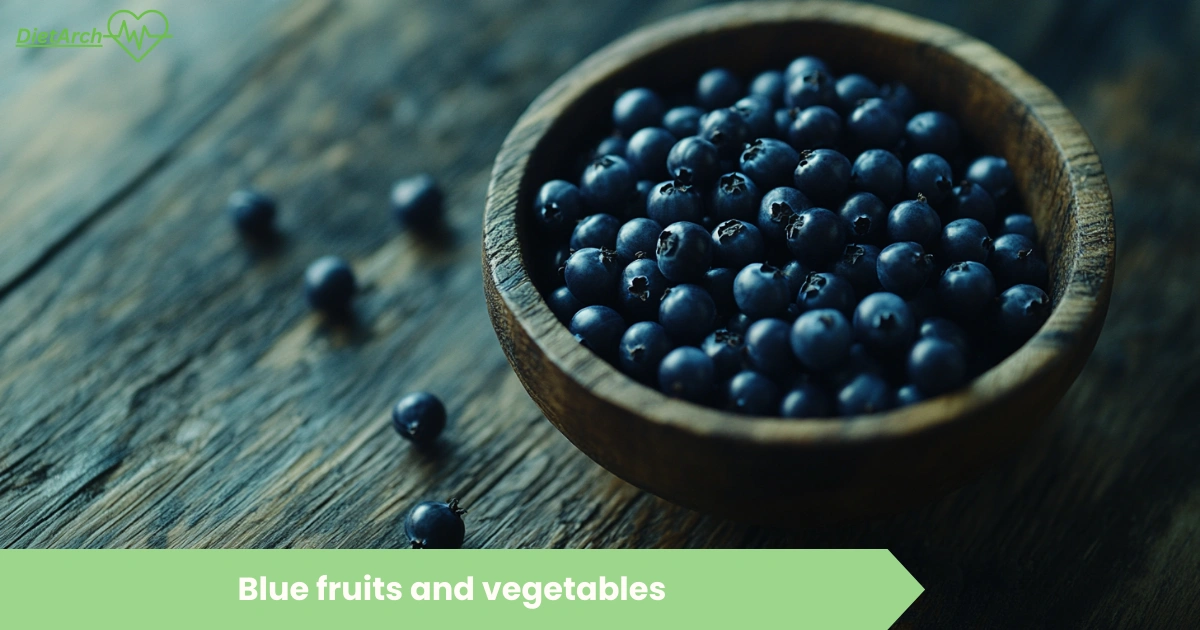
Blue vegetables are rare and striking—plants whose edible parts (roots, leaves, fruit) carry blue or bluish pigments due to compounds like anthocyanins. These veggies not only look beautiful on your plate, but they also offer unique health and antioxidant properties. In this article, we’ll explore what blue vegetables are, their nutritional benefits, market potential, how to include them in meals, and why they deserve a place in your garden or kitchen.
These pigments act as antioxidants, fighting oxidative stress in the body. The visual appeal also encourages more vegetable variety, which is good for overall diet quality.
One review study, “Grown to Be Blue,” confirmed that deeply pigmented vegetables offer high antioxidant capacity and multiple health benefits. [source]
A 2020 research study showed growing demand for naturally colored vegetables in functional food markets. Consumers are drawn to foods that are visually appealing, natural, and rich in antioxidants—making blue vegetables an emerging trend. Colored vegetables like these are becoming more popular globally, joining the ranks of superfoods like kale, berries, and even Brazilian spices in health-conscious kitchens.
| Color Group | Examples | Key Pigments | Main Benefits |
|---|---|---|---|
| Green | Spinach, Kale | Chlorophyll | Vitamin K, Folate, Fiber |
| Orange/Yellow | Carrots, Peppers | Beta-carotene | Eye Health, Immunity |
| Red/Purple | Beets, Red Cabbage | Anthocyanins | Antioxidants, Heart Support |
| Blue | Blue Potatoes, Cauliflower | Anthocyanins | Oxidative Protection, Unique Flavor |
Adding blue vegetables to your diet brings diversity, health benefits, and aesthetic appeal. They are visually engaging, nutrient-dense, and increasingly accessible through specialty stores and markets. Whether roasted, raw, or steamed, they’re a delicious and functional addition to modern meals.
Blue vegetables are more than just pretty—they’re a symbol of health, creativity, and diversity on the plate. Explore them in your meals and experience their taste, color, and benefits firsthand.